
Book
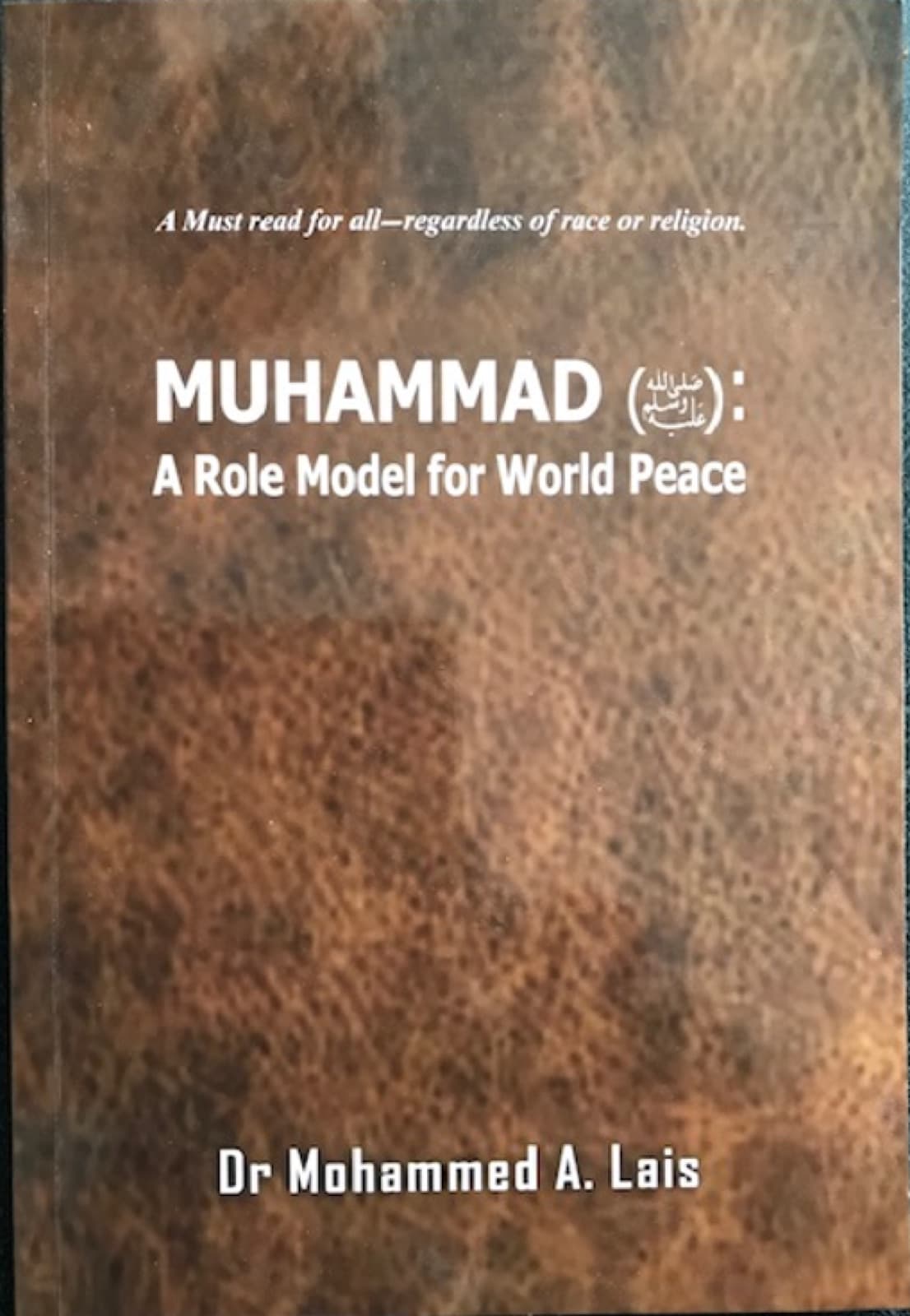
Mohammad (SAW): Role Model For World Peace
Dr Mohammed Abul Lais
Societies look to role models, sometimes openly and sometimes quietly, to understand how power, fame, and responsibility might be exercised without corroding trust. This publication considers what it might mean to take Prophet Muhammad (SAW) seriously as an example of peaceable leadership in a divided world.
Background
Peace Builder's UK interfaith work
Peace Builder has worked to promote cooperation, understanding, and awareness between people of different faiths through research, dialogue, publications, and public engagement activities in the United Kingdom.
Drawing inspiration from traditions of intellectual exchange and mutual respect, the organisation has focused particularly on presenting the life and teachings of Prophet Muhammad (SAW) through the reflections and appreciations of non-Muslim scholars, historians, academics, public figures, and writers.
These works aim to encourage thoughtful engagement, reduce misunderstanding, and create space for constructive interfaith dialogue rooted in dignity, scholarship, and shared human values.
In public life we are accustomed to role models drawn from sport, politics, music, education, and civic leadership. Their influence is often immediate and visible. Yet influence also operates through steadiness over time: through patience in disagreement, fairness in judgment, and care for those who are easily overlooked.
Models in ordinary life
A young person may admire an athlete’s discipline; a neighbour may respect a teacher’s consistency; a community may look to a local leader’s integrity when disputes arise. These patterns shape what people believe is possible. When public figures fail, disillusionment spreads quickly. When examples of restraint and service are remembered, they can quietly recalibrate expectations.
Prophet Muhammad (SAW) as a model of peaceable conduct
This work approaches Prophet Muhammad (SAW) not as a figure to be argued about in the abstract, but as a life whose recorded conduct offers themes that many readers, Muslim and non-Muslim, have found instructive: compassion in hardship, leadership without contempt for opponents, neighbourliness across difference, justice that does not favour the powerful, patience when resolution is slow, and a concern for social harmony that does not deny disagreement.
- Compassion toward the vulnerable and the stranger
- Leadership exercised with accountability and consultation
- Neighbourliness and honesty in everyday dealings
- Justice pursued without cruelty or vengeance
- Patience when communities fear one another
- Space for interfaith encounter without coercion
The tone of the book is reflective rather than polemical. It does not claim that any single biography resolves every modern conflict. It suggests, more modestly, that communities seeking peace may benefit from examples that link spiritual conviction to conduct that others can recognise and respect.
Peace Builder’s UK activities, including dialogue, education, and public conversation, often return to this question: how do people live well together when histories, theologies, and memories differ? Publications of this kind do not replace safeguarding policies, trustee oversight, or local partnership agreements. They can, however, help frame conversations that are serious, humane, and worthy of public institutions.
Why it matters
Peacebuilding often begins with credible examples of leadership, restraint, and care for community life. Accessible writing on ethical example can complement practical programmes in schools and civil society.
Connection to Peace Builder
Peace Builder supports understanding between communities in the UK and internationally. This title reflects themes that inform dialogue and learning activities, while programme delivery remains governed by trustees and safeguarding policies.